Cloud environments face unique risks due to internet exposure rapid scaling and automated deployment. Attackers frequently search for cloud resources with weak settings or exposed interfaces.
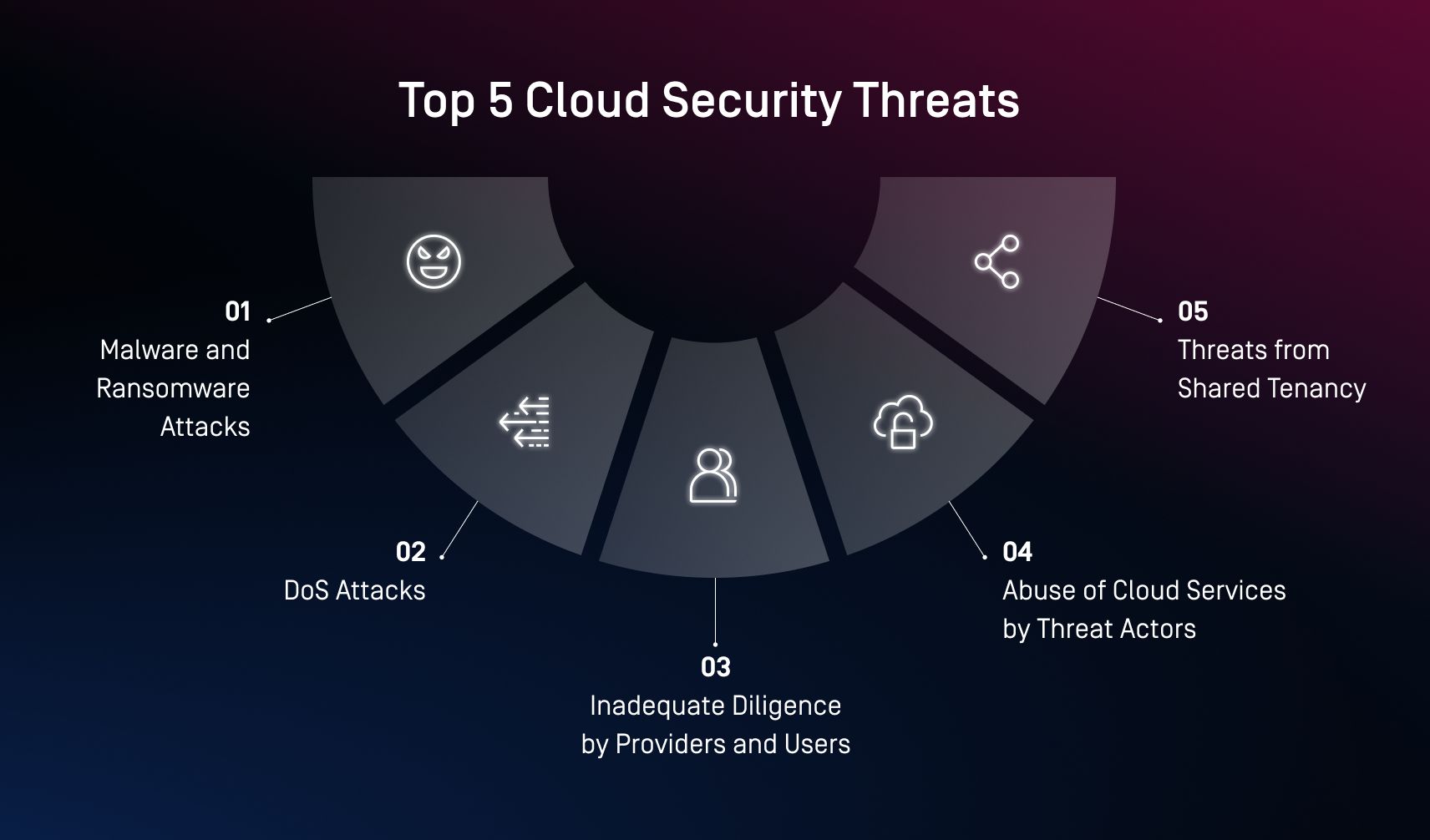
Key Concepts:
- Misconfiguration: Misconfiguration is the most common cloud security problem. Examples include public storage buckets, open administrative ports and unrestricted network access. Even a single incorrect setting can expose large amounts of data. Regular configuration audits help prevent these mistakes.
- Credential Compromise: Attackers often steal API keys passwords and service account tokens. A single leaked credential can allow an attacker to deploy servers download data or shut down systems. Protecting credentials with strong storage practices and frequent rotation is essential.
- API and Interface Attacks: Cloud systems rely on APIs to perform almost every action. Attackers attempt to exploit weak API authentication poor rate limits or unprotected endpoints. Securing APIs means using strong authentication logging and monitoring for abnormal request patterns.
- Insecure Workload Deployments: Applications deployed in the cloud may contain vulnerabilities such as outdated libraries or hardcoded secrets. Attackers can exploit these weaknesses to escalate privileges or move deeper into the environment. Regular updates code reviews and vulnerability scans reduce these risks.
Course 12 is currently under progress. Please come back later!
Back to Course Content> Course 11 - Introduction
 Networking Quiz 1